I think1 since 4 years, Microsoft has been providing a global building footprints dataset under the GlobalMLBuildingFootprints name. Besides this main dataset, there are also regional datasets for various regions.
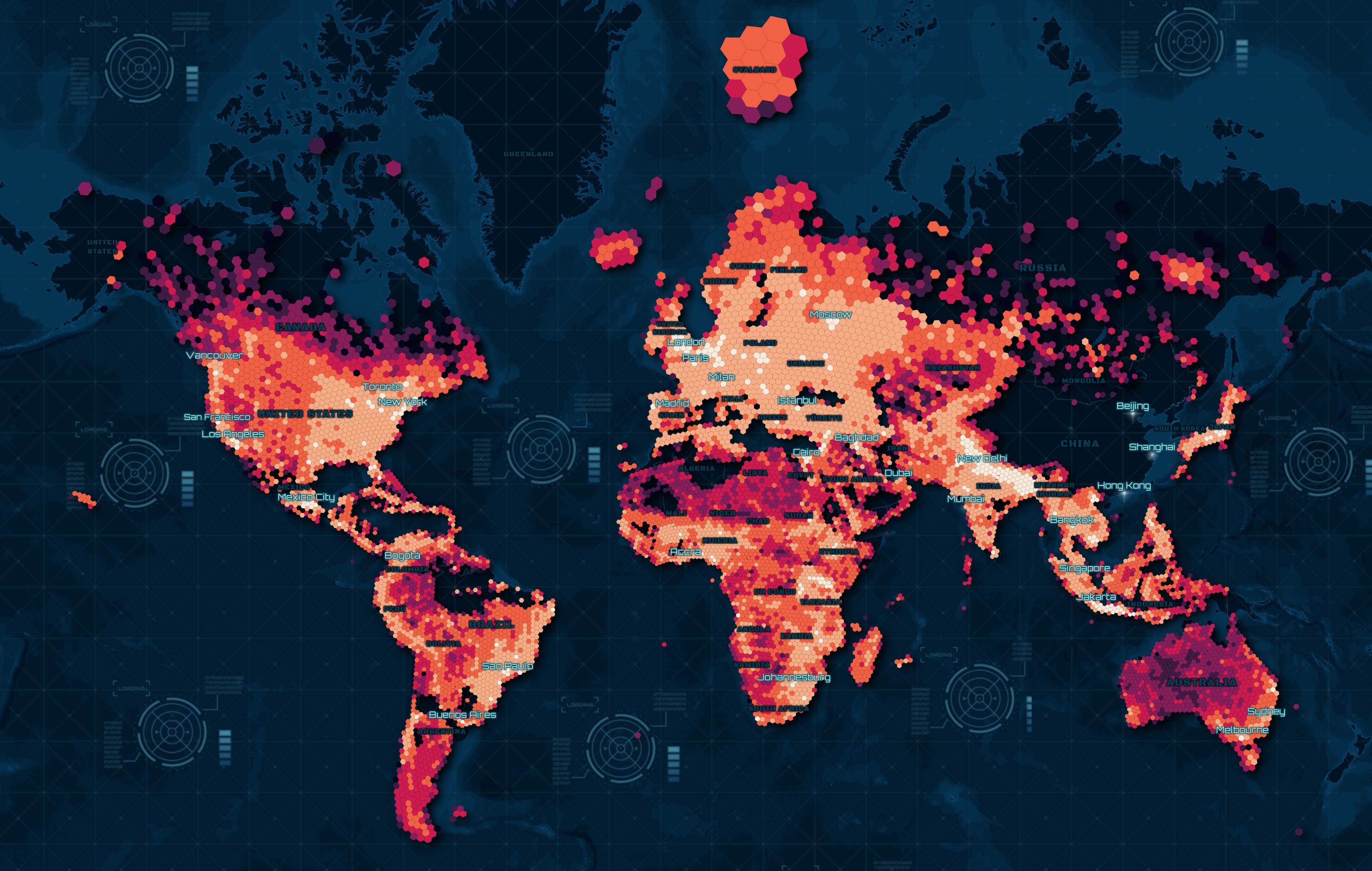
In a fresh article, Mark Litwintschik takes a closer look at the data – something which is done too rarely, I think. He visualizes, among others, global building density, the coverage of building heights (focussed on the USA, Europe, and parts of Oceania), and confidence values, and also highlights various types of false positives2. As an additional benefit, Mark’s article also shows how Microsoft’s data can be obtained and explored using DuckDB.
Footnotes
The article I link to here as well as the “Microsoft Building Footprints” entry in Microsoft’s Planetary Computer both indicate 2014 as the starting year. Besides my memory (which may be false), looking at the GlobalMLBuildingFootprints repository and its Readme makes me think that while some of the data used dates back to 2014, the first computation and release of this data was much later. The OpenStreetMap wiki seems to confirm my hunch.↩︎
… or “errors of commission”, “type 1 errors”… – or what term your (sub)discipline prefers.↩︎